
Marvel’s Daredevil is widely regarded as one of the greatest superhero television series ever made. While its gripping courtroom drama, brutal fight choreography, and unforgettable performances make it stand out, there’s another reason fans continue returning to Hell’s Kitchen years after its release, its incredible collection of Daredevil Easter eggs.
From hidden comic book references and subtle MCU connections to foreshadowing future storylines, nearly every episode contains details that reward attentive viewers. Some Easter eggs are immediately noticeable, while others require knowledge of Marvel Comics or multiple rewatches to appreciate.
Whether you’re watching the original Netflix series for the first time or revisiting it after Matt Murdock’s return to the Marvel Cinematic Universe, these hidden details make the experience even richer.
What Are Daredevil Easter Eggs?
An Easter egg is a hidden reference intentionally placed in a film or television show for observant viewers. These can include:
- References to Marvel Comics
- Connections to other MCU projects
- Hidden props and background details
- Foreshadowing of future events
- Character names taken directly from comic storylines
- Visual recreations of famous comic book panels
Season 1: The Hidden Details That Started It All
1. “The Incident” Connects Daredevil to the MCU
Episode: Season 1, Episode 1
Instead of repeatedly mentioning the Battle of New York from The Avengers (2012), characters simply refer to it as “The Incident.” This is one of the show’s earliest confirmations that Daredevil exists within the same universe as Iron Man, Captain America, Thor and the rest of Earth’s Mightiest Heroes.
Rather than focusing on superheroes saving the world, Daredevil explores how ordinary citizens are left to rebuild their lives after the alien invasion. Wilson Fisk even uses the city’s reconstruction as an opportunity to expand his criminal empire.
Why it matters: It grounds the series firmly within the MCU while keeping the focus on street-level crime.
2. Ben Urich’s Newspaper Wall
Episode: Multiple
Investigative journalist Ben Urich surrounds himself with framed newspaper headlines. Several reference major MCU events, including:
- The Battle of New York
- Harlem’s destruction following the events of The Incredible Hulk
These clippings remind viewers that Matt Murdock’s story unfolds in a city still recovering from extraordinary events.
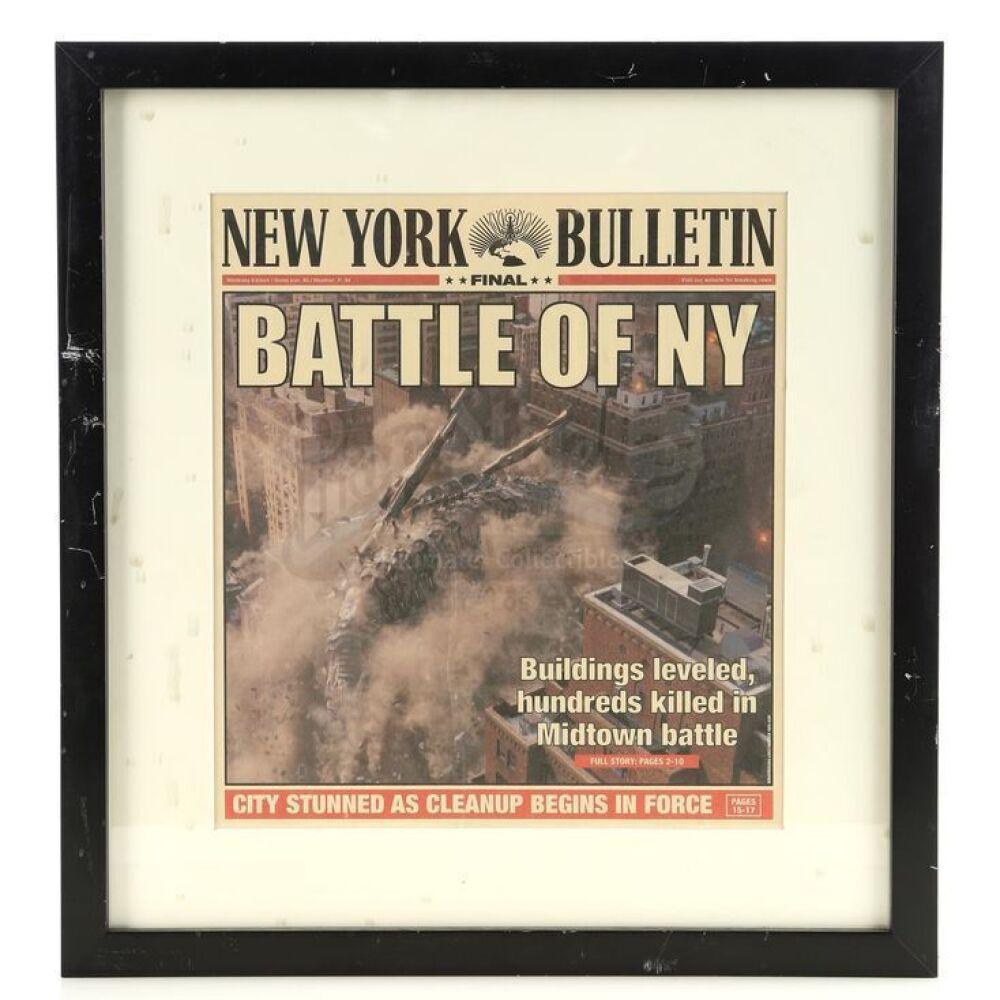
(Image: IMDb)
Comic connection: Ben Urich has long been one of Marvel’s most respected investigative journalists, often uncovering secrets involving Spider-Man, Daredevil and Kingpin.
3. Crusher Creel’s Boxing Poster
Episode: Season 1
Inside Fogwell’s Gym, viewers can briefly spot a poster advertising a fight involving Crusher Creel.
Comic readers instantly recognise Carl “Crusher” Creel as Absorbing Man, one of Marvel’s most powerful villains. He later appears in Agents of S.H.I.E.L.D., creating another subtle bridge between Marvel television projects.
Why fans love it: The show never explains who Creel is, rewarding comic readers without distracting new viewers.
4. Stan Lee’s Hidden Cameo
Episode: Multiple
Stan Lee doesn’t make one of his famous on-screen cameos in Daredevil. Instead, his photograph hangs proudly inside the 15th Precinct police station, portraying him as a decorated New York police officer.
It’s a respectful tribute that fits naturally into the grounded tone of the series.
5. Matt’s Black Vigilante Suit
Episode: Throughout Season 1
Before wearing his famous red armour, Matt fights crime using an all-black outfit consisting of:
- Black trousers
- Black shirt
- Gloves
- Cloth mask
This isn’t a random costume design.
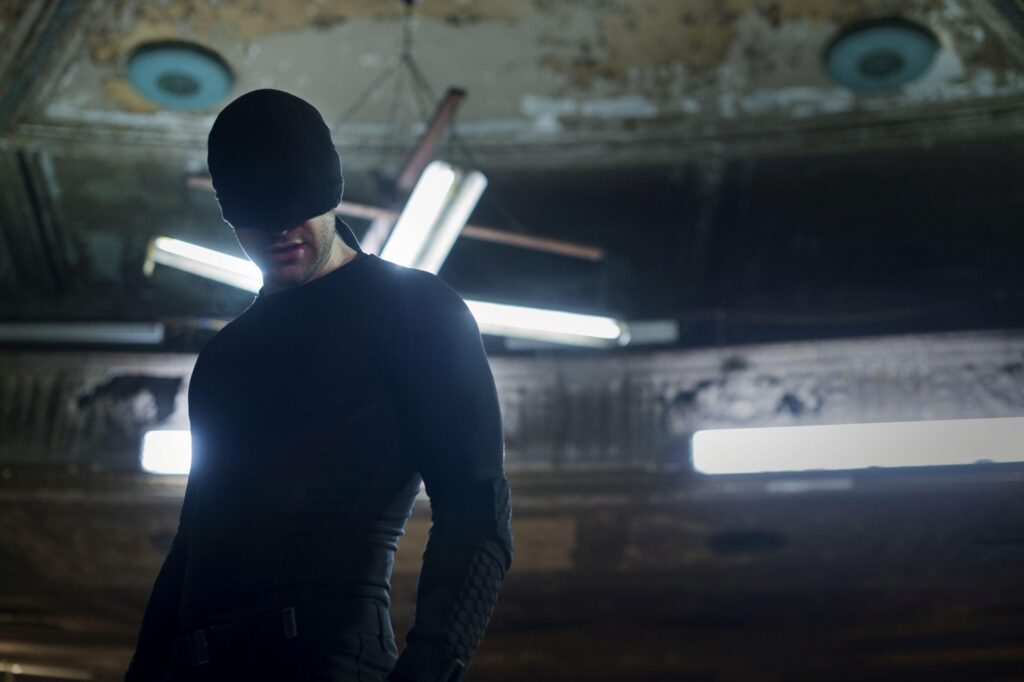
Before the red armour, Matt’s black suit paid tribute to Frank Miller’s The Man Without Fear.
(Image: IMDb)
It’s a faithful adaptation of Frank Miller and John Romita Jr.’s comic series Daredevil: The Man Without Fear, where Matt first patrols Hell’s Kitchen dressed almost exactly the same way.
6. Nelson & Murdock’s Office
Matt and Foggy’s tiny law office may seem ordinary, but comic fans immediately recognised it.
The worn furniture, cramped layout and modest surroundings closely resemble their original comic headquarters, emphasising that these are struggling lawyers trying to help ordinary people rather than wealthy superheroes.
7. Josie’s Bar
Josie’s Bar quickly becomes the unofficial headquarters for Matt, Foggy and Karen.
The location comes directly from Marvel Comics, where it’s long served as a favourite gathering place for Daredevil and other street-level heroes.
Many pivotal conversations throughout the series happen inside this small neighbourhood bar.
8. Fogwell’s Gym
The boxing gym where Jack Murdock trained is one of the most iconic locations in Daredevil history.
In Marvel Comics, Fogwell’s Gym represents Matt’s childhood, his father’s sacrifices and the values that shaped him into a hero.
The television series recreates the gym with remarkable accuracy.
9. Father Paul Lantom
Matt frequently seeks guidance from Father Paul Lantom.
Although he isn’t a superhero himself, Father Lantom represents one of the most important themes in Daredevil lore, Matt’s struggle to balance justice, revenge and his Catholic faith.
His presence reflects decades of comic storytelling exploring Matt’s morality.
10. Stick’s Introduction
When Stick arrives in Hell’s Kitchen, comic readers instantly know trouble has arrived.
The blind martial arts master trains Matt in combat and heightened awareness, just as he does in Marvel Comics.
The show faithfully recreates Stick’s harsh personality, relentless discipline and complicated father-son relationship with Matt.
11. Stone Appears Briefly
One easily missed moment features Stick speaking with another blind warrior named Stone.
Stone is a member of The Chaste, the ancient order sworn to oppose The Hand.
Although his appearance lasts only moments, comic fans immediately recognised one of Daredevil’s oldest allies.
12. Melvin Potter’s Workshop
Melvin Potter initially appears to be nothing more than Fisk’s armour designer.
However, attentive viewers notice unusual mechanical equipment throughout his workshop.
Comic readers know Melvin eventually becomes Gladiator, one of Daredevil’s oldest adversaries.
The series quietly plants the seeds without rushing the transformation.
13. Stilt-Man’s Mechanical Legs
One of the most enjoyable hidden details appears inside Melvin Potter’s workshop.
Several unfinished hydraulic leg components strongly resemble the technology used by Stilt-Man, one of Daredevil’s earliest comic villains famous for fighting using gigantic extendable legs.
It’s a blink-and-you’ll-miss-it reference that delighted longtime readers.
14. Betsy Beatty’s Name
Melvin frequently talks about someone named Betsy.
This isn’t random dialogue.
In Marvel Comics, Betsy Beatty is the social worker who helps rehabilitate Melvin Potter and encourages him to leave crime behind.
The show never fully explains her importance, making it a rewarding Easter egg for comic fans.
15. The Rabbit in a Snowstorm Painting
Wilson Fisk’s favourite painting- Rabbit in a Snowstorm, becomes one of the most memorable visual symbols in the series.
Although it isn’t lifted directly from Marvel Comics, the artwork symbolises Fisk himself:
- isolated
- misunderstood
- searching for beauty in chaos
As the season progresses, viewers begin to understand why Fisk identifies so deeply with the painting.
It becomes a recurring visual metaphor for his psychology rather than simply background decoration.
Season 2: When Daredevil’s World Expanded
Season 2 takes the series to another level by introducing two of Marvel’s most iconic characters- Frank Castle (The Punisher) and Elektra Natchios. Alongside them come deeper comic book references, hidden props, MCU connections and subtle nods that reward eagle-eyed viewers.
Here are the next 15 verified Daredevil Easter eggs.
16. Claire Temple’s “Billionaire Playboy” Joke
Episode: Season 2, Episode 3
While treating Matt’s injuries, Claire jokingly asks if he’s one of those “billionaire playboys.”
It’s an unmistakable reference to Tony Stark (Iron Man).
The line is brief, but it reminds viewers that while the Avengers battle aliens and robots, Matt Murdock is risking his life with nothing more than his fists and determination.
Why it matters: It’s one of the clearest verbal MCU references in the Netflix series.
17. Roxxon Energy Exists in Hell’s Kitchen
Throughout Season 2, observant viewers can spot references to Roxxon Energy, the powerful corporation that has appeared across Marvel films and television.
Roxxon has been connected to questionable business practices for decades in Marvel Comics and has appeared in projects including:
- Iron Man
- Agent Carter
- Cloak & Dagger
Its appearance reinforces that Daredevil shares the same wider Marvel universe.
18. Dogs of Hell Motorcycle Gang
Frank Castle crosses paths with the Dogs of Hell, a violent biker gang.
Marvel fans may recognise them from Agents of S.H.I.E.L.D., where they were introduced before appearing in Daredevil.
Rather than creating a new criminal gang, the series cleverly reuses an existing Marvel organisation.
19. Metro-General Hospital
Claire Temple continues working at Metro-General Hospital, one of the MCU’s most frequently recurring hospitals.
The same medical centre also appears in:
- Jessica Jones
- Luke Cage
Whenever New York’s street-level heroes need emergency treatment, Metro-General is rarely far away.
20. Seagate Prison
Several conversations reference Seagate Prison.
Comic and MCU fans know this prison far better than most viewers realise.
It’s famously connected with:
- Luke Cage’s imprisonment and experimentation
- Trevor Slattery’s incarceration in the All Hail the King Marvel One-Shot
A simple mention ties multiple Marvel stories together.
21. Frank Castle’s Skull Symbol Begins to Emerge
Early in Season 2, Frank Castle isn’t yet wearing the iconic skull logo that defines the Punisher.
Instead, the series slowly builds toward it.
This gradual approach mirrors Frank’s emotional transformation, allowing the symbol to become something earned rather than instantly recognisable.
It’s subtle storytelling rather than a traditional Easter egg, but comic fans immediately recognised what was coming.
22. Elektra’s Red Costume
Although adapted for live action, Elektra’s wardrobe consistently pays tribute to her classic comic appearance.
Her use of:
- flowing red clothing
- ninja-inspired combat attire
- twin sai weapons
all reflect decades of Marvel artwork while remaining believable within the grounded tone of the series.
23. The Hand’s Resurrection Ritual
Season 2 introduces one of Marvel’s oldest mystical organisations – The Hand.
The mysterious black substance used during resurrection rituals comes directly from long-running comic storylines in which The Hand repeatedly revives its greatest warriors.
For comic readers, this confirms that the show is embracing Daredevil’s supernatural mythology.
24. Melvin Potter’s Gladiator Future
Melvin Potter continues designing equipment for Daredevil.
However, viewers can spot several details hinting that he could eventually become Gladiator, including:
- specialised armour components
- circular blades
- reinforced protective equipment
The series deliberately avoids rushing his villain origin while rewarding comic fans who recognise the clues.
25. Gladiator’s Signature Circular Blade
During one confrontation, Melvin throws a spinning circular blade.
This isn’t just a random weapon.
It’s a direct homage to the comic version of Gladiator, whose arm-mounted buzzsaws became one of his defining features.
26. Turk Barrett Returns
Few criminals survive encounters with Matt Murdock more often than Turk Barrett.
The lovable small-time crook repeatedly appears throughout Marvel Comics and eventually pops up across nearly every Netflix Marvel series.
His recurring appearances became something of an inside joke among Marvel fans.
27. Madame Gao’s Hidden Connections
Madame Gao remains one of the series’ most mysterious characters.
Although never fully explained in Daredevil, later Marvel shows reveal more about her connections to The Hand and the wider underground criminal network.
Her calm demeanour hides enormous influence.
28. The Chaste vs. The Hand
The conflict between Stick’s Chaste and The Hand is one of Marvel’s oldest ninja rivalries.
Season 2 expands this mythology considerably, introducing concepts lifted almost directly from Frank Miller’s influential comic run.
Rather than inventing new lore, the series faithfully adapts existing Marvel history.
29. Frank Castle’s Rooftop Debate
The unforgettable rooftop argument between Daredevil and the Punisher isn’t just brilliant television.
Its themes closely resemble several classic comic confrontations where Matt and Frank debate justice, morality and the value of human life.
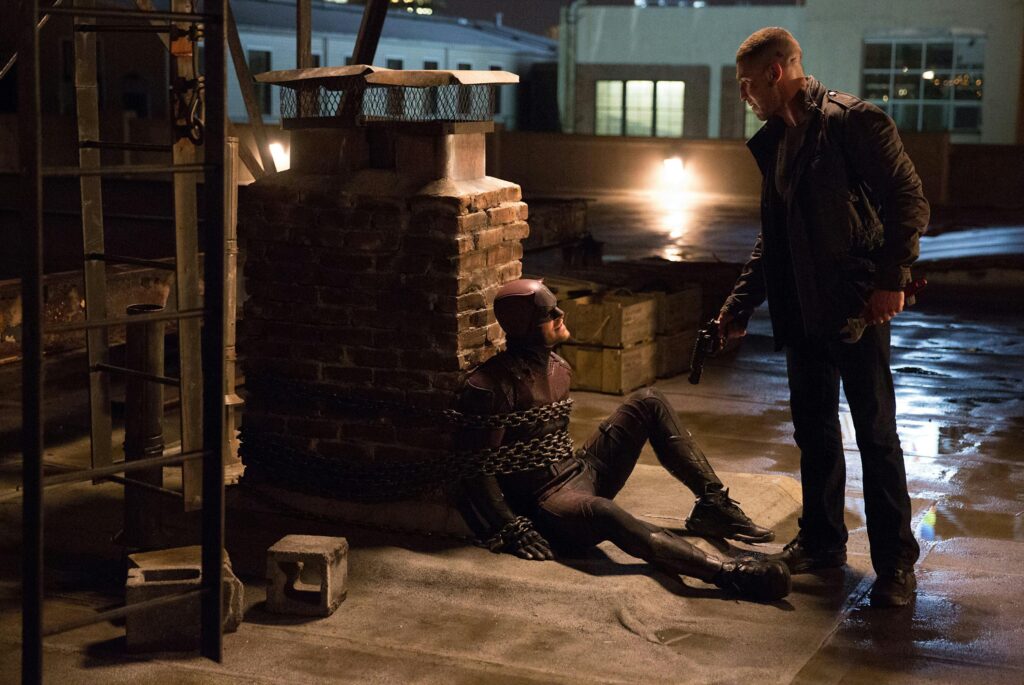
The rooftop confrontation between Daredevil and the Punisher echoes one of Marvel’s most memorable philosophical rivalries.
(Image: IMDb)
The dialogue captures decades of philosophical conflict between the two heroes.
30. The Prison Hallway Fight
Frank Castle’s brutal prison escape sequence has become one of the most celebrated action scenes in superhero television.
Beyond its choreography, it also serves as a tribute to the Punisher’s comic reputation as an unstoppable force capable of surviving overwhelming odds.
Many comic readers viewed it as one of the character’s most faithful live-action adaptations.
Season 3: Frank Miller’s Legacy Comes to Life
Many fans consider Season 3 to be the finest season of Daredevil. Beyond its emotional storytelling and intense action, it’s also packed with comic book references particularly to Frank Miller and David Mazzucchelli’s legendary Born Again storyline.
The season introduces Bullseye, brings Wilson Fisk back to power, and delivers some of the most faithful comic adaptations ever seen in a Marvel television series.
31. Sister Maggie Is Matt Murdock’s Mother
Episode: Season 3
After the events of The Defenders, Matt is rescued by nuns and cared for by Sister Maggie.
Comic readers immediately recognised one of Daredevil’s biggest family secrets.
Sister Maggie is revealed to be Matt Murdock’s biological mother, faithfully adapting one of the most emotional twists from Marvel Comics.
Why it matters: This revelation deepens Matt’s struggle with faith, forgiveness and identity.
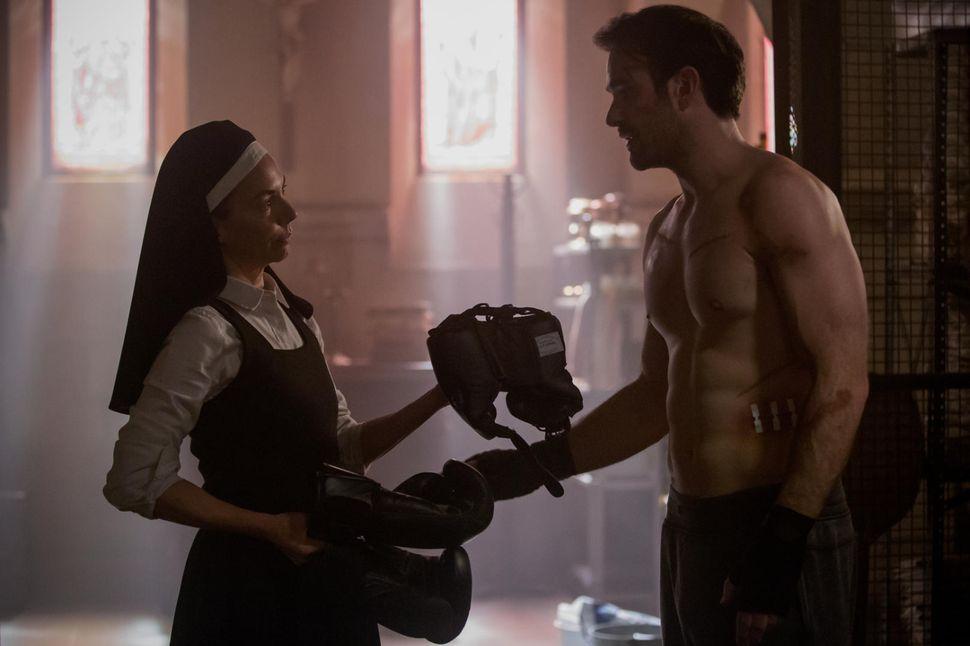
Sister Maggie’s relationship with Matt Murdock is one of the biggest comic book Easter eggs in Daredevil.
(Image: IMDb)
32. Born Again Comes to Life
Although Season 3 tells its own story, many scenes pay direct tribute to Born Again, the iconic 1986 comic by Frank Miller and David Mazzucchelli.
Examples include:
- Matt recovering in the convent.
- Fisk rebuilding his criminal empire.
- Matt questioning whether he can still be Daredevil.
- Religious imagery throughout the season.
Rather than copying the comic, the series adapts its emotional themes for television.
33. Kingpin’s White Suit Returns
Wilson Fisk spends much of Season 3 wearing an elegant white suit, one of the character’s defining visual trademarks from Marvel Comics.
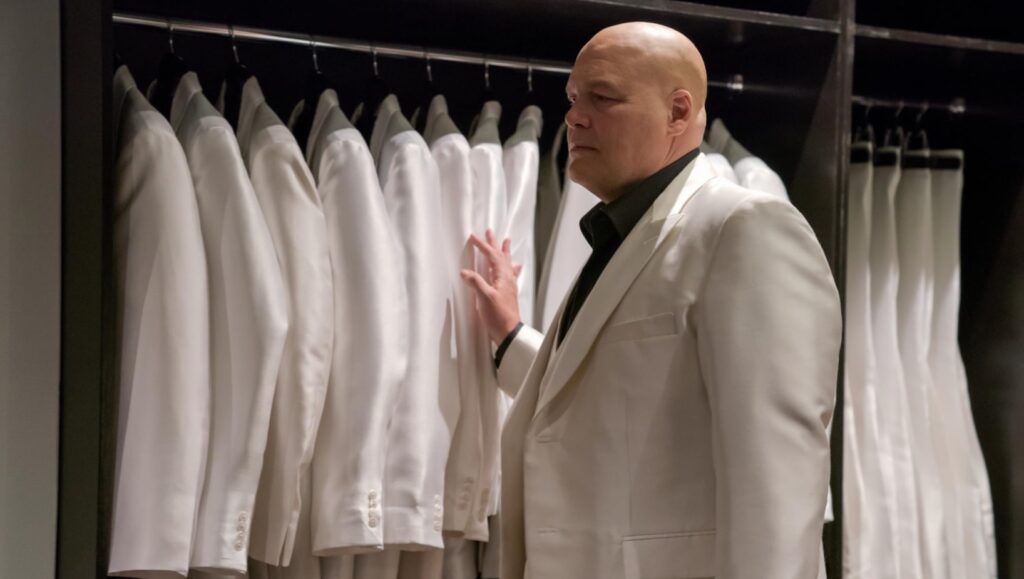
Kingpin’s white suit is one of the series’ most faithful visual callbacks to Marvel Comics.
(Image: IMDb)
The wardrobe choice isn’t simply fashionable, it symbolises Fisk’s confidence, authority and transformation back into New York’s Kingpin.
For longtime readers, this was one of the most satisfying comic-accurate details in the series.
34. Bullseye’s Origin Story
Benjamin Poindexter, better known as Bullseye, finally makes his live-action debut.
Instead of presenting him as a fully formed villain, the series carefully explores his:
- childhood trauma
- obsession with order
- exceptional accuracy
- psychological instability
This layered approach remains faithful to several comic interpretations while adding emotional depth.
35. The Baseball Practice Flashbacks
Young Dex is shown practising baseball with extraordinary precision.
This isn’t simply a childhood memory.
The scenes explain how Bullseye developed his legendary accuracy, one of his defining comic book abilities.
Every object eventually becomes a deadly weapon in his hands.
36. Dex Wears the Daredevil Suit
One of Season 3’s biggest shocks comes when Benjamin Poindexter wears Daredevil’s red costume while committing violent crimes.
This storyline echoes several comic arcs where villains impersonate superheroes to destroy their reputations.
It also allows Wilson Fisk to manipulate public opinion without exposing his own involvement.
37. Fisk’s Psychological Manipulation
Throughout the season, Fisk rarely relies solely on physical strength.
Instead, he wins through:
- political influence
- media manipulation
- legal loopholes
- psychological warfare
This portrayal closely mirrors Brian Michael Bendis’ acclaimed Daredevil comics, where Kingpin often proves more dangerous with words than fists.
38. Karen Page’s Hidden Past
Season 3 finally explores Karen Page’s troubled history.
Although the television version differs from the comics, it reflects Karen’s long tradition of carrying emotional trauma and personal secrets.
The writers adapt her story respectfully while avoiding some of the darker comic plotlines.
39. Father Lantom’s Sacrifice
Father Lantom has guided Matt spiritually since Season 1.
His heroic sacrifice becomes one of the series’ most emotional moments and highlights Daredevil’s recurring theme that true heroism often comes from ordinary people rather than superheroes.
40. Wilson Fisk and Vanessa
The relationship between Fisk and Vanessa remains one of Marvel’s most faithful adaptations.
Unlike many comic-book romances, theirs is built on mutual trust, loyalty and ambition.
The show successfully captures the complexity that has defined the pair in modern Marvel Comics.
41. Bullseye’s Improvised Weapons
Comic readers know Bullseye doesn’t need knives or guns.
Season 3 demonstrates this repeatedly as he turns everyday objects into deadly projectiles, including:
- office supplies
- broken glass
- kitchen utensils
- sports equipment
This perfectly reflects his comic abilities and makes him one of Daredevil’s most dangerous enemies.
42. The Bulletin Newspaper
The New York Bulletin, where Karen continues her investigative work, has long been an important newspaper in Marvel Comics.
It serves as an alternative to the Daily Bugle, allowing the series to maintain comic authenticity while focusing on Daredevil’s supporting cast.
43. Religious Symbolism Throughout the Season
Crosses, churches, confession booths and stained-glass imagery appear repeatedly throughout Season 3.
These aren’t simply background decorations.
They visually reinforce Matt’s constant struggle between justice, vengeance and redemption—a defining aspect of Daredevil’s comic history.
44. Matt Returns to the Black Suit
For much of Season 3, Matt abandons his famous red costume and once again wears his black vigilante outfit.
This reflects his emotional state following the events of The Defenders.
Comic readers recognise it as another homage to The Man Without Fear, symbolising Matt’s desire to strip away everything except his mission.
45. The Final Three-Way Showdown
The climactic battle between:
- Daredevil
- Kingpin
- Bullseye
is packed with visual references to classic Daredevil comic confrontations.
Rather than relying on CGI spectacle, the fight emphasises raw emotion, physical exhaustion and personal stakes—qualities that have always defined the best Daredevil stories.
It’s widely regarded as one of the greatest finales in Marvel television history.
More Hidden Daredevil Easter Eggs Most Fans Missed
The original Daredevil series doesn’t rely on constant cameos or flashy crossovers. Instead, many of its best Easter eggs are hidden in dialogue, background props, set design and character choices. These details reward longtime Marvel readers while never distracting casual viewers.
Here are the final five verified Daredevil Easter eggs, followed by frequently asked questions and our concluding thoughts.
46. Kingpin’s Art Collection Reflects His Personality
Wilson Fisk’s fascination with fine art isn’t just there to make him look sophisticated.
Throughout the series, paintings—especially Rabbit in a Snowstorm—reflect his emotional state and his desire to bring order to what he sees as a chaotic world.
Marvel Comics have often portrayed Fisk as a cultured crime lord who values art, classical music and expensive collections. The series faithfully adapts this aspect of his personality, making his violent outbursts even more unsettling.
Why it matters: The artwork becomes visual storytelling, revealing Fisk’s psychology without lengthy exposition.
47. Matt Murdock’s Radar Sense Uses Comic-Inspired Visual Language
One of the show’s biggest creative challenges was portraying Matt’s heightened senses without making them look like traditional superpowers.
Instead of using comic-book style sonar waves, the series often relies on:
- distant heartbeats
- amplified breathing
- subtle sound design
- flashes of red lighting
- heightened environmental awareness
This interpretation captures the essence of Daredevil’s famous Radar Sense while staying grounded in the show’s realistic tone.
It remains one of the most praised adaptations of the character’s abilities.
48. Hallway Fight Scenes Pay Tribute to Daredevil Comics
The famous hallway fights are more than technical achievements.
Their uninterrupted choreography reflects Daredevil’s greatest comic-book strength—his refusal to quit.
Whether exhausted, bleeding or badly injured, Matt keeps moving forward, just as he does throughout decades of Marvel Comics.
The Season 1 hallway fight inspired similar sequences across superhero television, but few have matched its emotional impact.
49. Wilson Fisk’s Rise Mirrors Classic Kingpin Comics
Rather than portraying Fisk as a stereotypical gangster, the series follows the character arc that comic readers know well.
He builds power through:
- political influence
- real estate development
- manipulation
- corruption
- carefully planned violence
This slow transformation into New York’s undisputed Kingpin closely resembles many of his most celebrated comic storylines.
It’s one of the reasons Vincent D’Onofrio’s portrayal is widely regarded as the definitive live-action version of the character.
50. Daredevil’s Entire Story Is a Love Letter to Frank Miller’s Comics
Perhaps the biggest Easter egg isn’t hidden in a single episode.
It’s the series itself.
Across all three seasons, the writers repeatedly draw inspiration from Frank Miller’s legendary work on Daredevil.
Fans will recognise influences from stories such as:
- The Man Without Fear
- Born Again
- Elektra Saga
- The Kingpin stories
- The Hand mythology
Rather than copying these comics scene for scene, the series respectfully adapts their themes, relationships and emotional weight.
Instead, they enrich the experience for attentive fans and encourage repeat viewings.
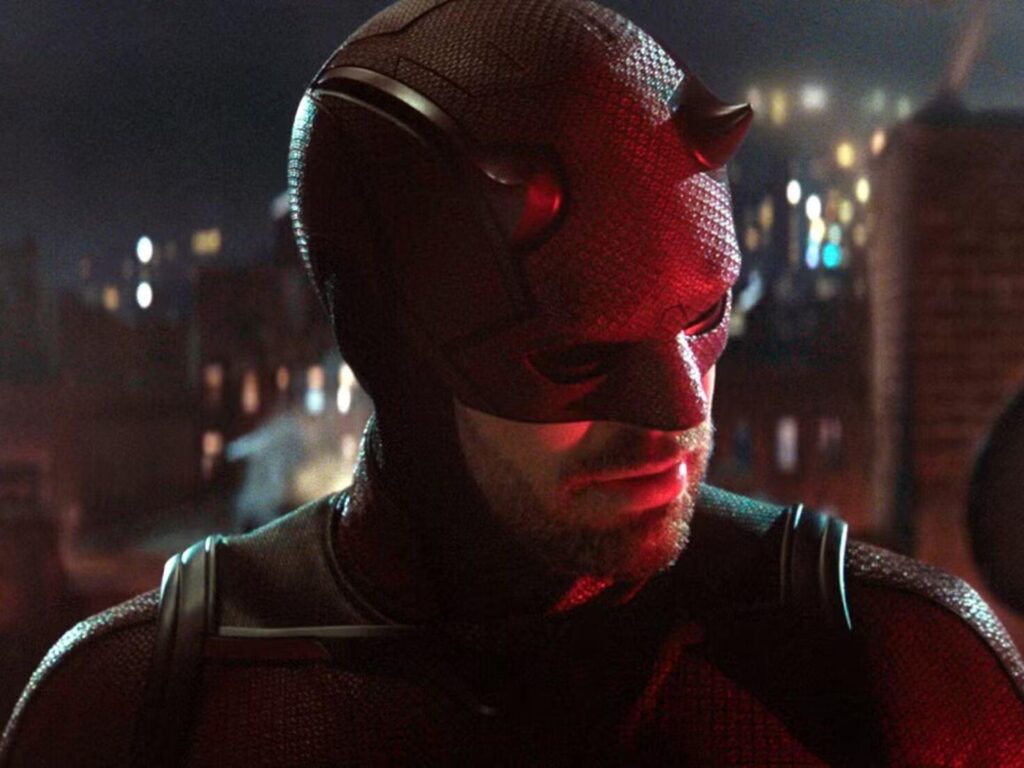
(Image: IMDb)
People Also Read:
Frequently Asked Questions about Daredevil Easter eggs
Q1. Are the Daredevil Easter eggs connected to the MCU?
Yes. Although the series tells its own street-level story, it contains several connections to the wider Marvel Cinematic Universe. References to “The Incident” (the Battle of New York), Roxxon Energy, Seagate Prison and Tony Stark help establish that Matt Murdock operates in the same world as the Avengers.
Q2. Is Daredevil based closely on the comics?
Very much so. While the show updates certain storylines for television, many of its characters, locations and major plot points are inspired by Marvel Comics, especially the acclaimed work of Frank Miller, David Mazzucchelli and Brian Michael Bendis.
Q3. What is the biggest Easter egg in Daredevil?
Many fans consider Born Again to be the series’ biggest influence. Season 3 contains numerous visual and thematic homages to the iconic comic storyline, making it one of the most faithful superhero adaptations ever produced.
Q4. Does Stan Lee appear in Daredevil?
Not in person. Instead of a traditional cameo, a framed photograph of Stan Lee appears inside the 15th Precinct police station, serving as a respectful tribute.
Few superhero television shows reward careful viewers as much as Daredevil. Every season contains hidden references that celebrate Marvel’s rich comic history while expanding the world of the Marvel Cinematic Universe.
From The Incident and Stan Lee’s hidden tribute to Born Again homages and Kingpin’s comic-accurate transformation, these Daredevil Easter eggs demonstrate the creators’ deep respect for the source material.
Whether you’re a lifelong Marvel reader or discovering Matt Murdock for the first time, revisiting the series with these hidden details in mind offers a fresh appreciation for one of Marvel’s finest television achievements.
So the next time you return to Hell’s Kitchen, keep your eyes open you may spot an Easter egg that even longtime fans have overlooked.









 Because entertainment never stops! CelebsAdda brings you fast, reliable, and spicy updates from the world of cinema, television, and celebrity culture anytime, anywhere.
One Response