
Facts About the Oscars: Interesting Things You Probably Didn’t Know About the Academy Awards
Every year, millions of movie lovers around the world tune in to watch the glamorous Academy Awards ceremony. From emotional speeches and historic wins to stunning red carpet fashion, the Oscars remain the most prestigious awards in the film industry.
But beyond the glittering stage and golden statues, there are many fascinating stories and little-known details behind the Academy Awards. If you are a film fan, these facts about the Oscars will make you appreciate the legendary award ceremony even more.
A Short History of the Oscars
The Academy Awards are presented by the Academy of Motion Picture Arts and Sciences to honor excellence in filmmaking. The ceremony celebrates achievements in acting, directing, writing, cinematography, and many other aspects of cinema.
The very first Oscars ceremony took place on May 16, 1929, at the Hollywood Roosevelt Hotel in Los Angeles. Unlike today’s grand televised event, the first ceremony was a small private dinner attended by around 270 guests.
Another surprising fact is that the entire event lasted only 15 minutes, and winners had already been announced beforehand. Today, the ceremony is watched by millions of viewers worldwide and has become one of the biggest nights in entertainment.
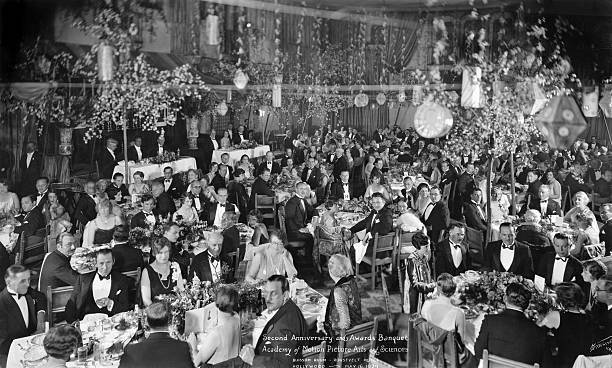
(Photo by The Academy/The Academy via Getty Images)
Why the Academy Awards Are Called “Oscars”
One of the most interesting facts about the Oscars is the origin of the name itself. Officially, the award is called the Academy Award of Merit, but almost everyone refers to it as the “Oscar.”
There are several stories about how the nickname began. One popular legend says that a librarian working for the Academy once remarked that the golden statue looked like her uncle named Oscar. The nickname quickly spread among journalists and film insiders.
Eventually, the Academy itself adopted the nickname officially in 1939, and since then the awards have been known globally as the Oscars.
The Oscar Trophy Has a Unique Design
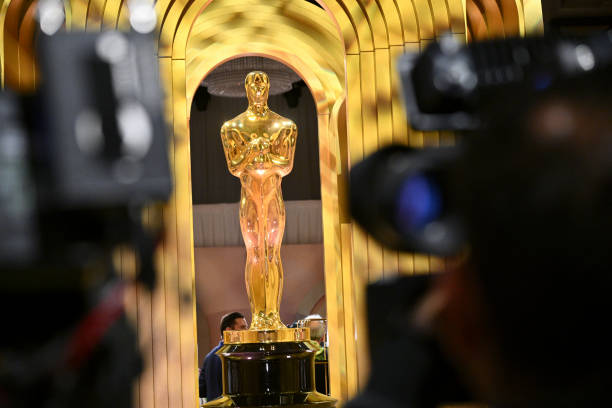
The Oscar statuette is one of the most recognizable trophies in the world. It features a knight holding a sword while standing on a reel of film.
The statue is approximately 13.5 inches tall and weighs around 8.5 pounds. It is made of bronze and plated with 24-karat gold, which gives it its iconic shine.
Another lesser-known fact about the Oscars is that winners cannot freely sell their trophies. If someone wants to sell an Oscar statuette, they must first offer it back to the Academy for $1. This rule helps preserve the historical value of the award.
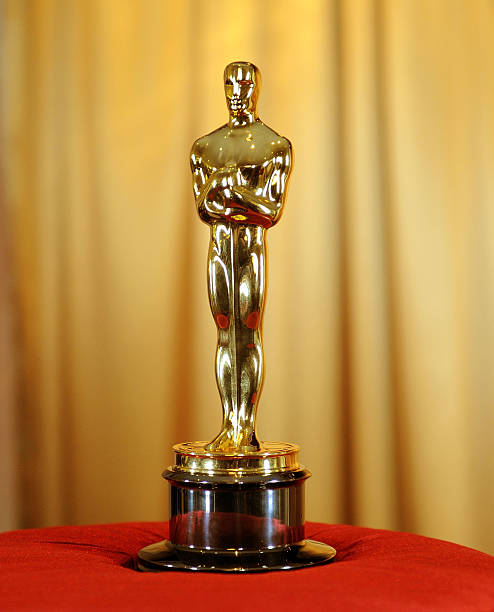
(Photo by Andrew H. Walker/Getty Images)
The First Oscar Ceremony Was Very Different
Compared to today’s glamorous show, the first Academy Awards ceremony was extremely simple.
Tickets cost only $5, which would be roughly equivalent to about $80 today. The ceremony was not broadcast on television or radio, and there was no red carpet spectacle.
Another interesting detail is that the winners were announced beforehand the ceremony, meaning there were no surprises on the night of the event.
Over time, the Oscars evolved into a global television spectacle featuring celebrity presenters, musical performances, and worldwide media coverage.
The First Best Actor Oscar Was Almost Given to a Dog
One of the most surprising facts about the Oscars comes from the very first Academy Awards in 1929. According to film historians, the early voting results suggested that Rin Tin Tin, a hugely popular German Shepherd and silent film star, had received the most votes for the Best Actor award.

(Photo by David Livingston/Getty Images)
Rin Tin Tin appeared in several successful films in the 1920s and was a major box office attraction at the time. However, the Academy reportedly decided to give the award to a human actor instead in order to maintain the prestige of the new ceremony. As a result, Emil Jannings became the first official Best Actor winner in Oscar history.
Record-Breaking Oscar Winners
Many legendary actors and films have made history at the Oscars.
For example, Katharine Hepburn holds the record for the most acting Oscars, winning four Academy Awards for Best Actress during her career.
Among films, Titanic, Ben-Hur, and The Lord of the Rings: The Return of the King share the record for the most Oscar wins by a single movie, each winning 11 awards.
These record-breaking achievements have become a significant part of Hollywood history and are often remembered during every Oscar season.
The Youngest and Oldest Oscar Winners
Another fascinating category when discussing facts about the Oscars is age records.
The youngest Oscar winner ever is Tatum O’Neal, who won the Best Supporting Actress award at just 10 years old for her performance in the film Paper Moon.
On the other end of the spectrum, Anthony Hopkins became the oldest winner of the Best Actor award when he won at 83 years old for the film The Father.
These milestones show that extraordinary talent can be recognized at any stage of life.
Some Actors Have Refused Their Oscars
While most winners proudly accept the prestigious award, there have been rare occasions when actors refused the honor.
One of the most famous examples is Marlon Brando, who declined the Best Actor Oscar for The Godfather in 1973. Instead of attending the ceremony, he sent a representative to protest the portrayal of Native Americans in Hollywood films.
This moment remains one of the most controversial and talked-about events in Oscar history.
The Oscars Have Had Some Shocking Moments
Over the decades, the Academy Awards ceremony has produced several unforgettable moments.
One of the most shocking incidents occurred during the 89th Academy Awards, when the wrong winner for Best Picture was mistakenly announced. The presenters initially declared La La Land as the winner, but moments later it was revealed that the actual winner was Moonlight.
The unexpected mix-up instantly became one of the most viral moments in Oscar history.
Winning an Oscar Can Change a Career
Winning an Academy Award often transforms an actor’s career overnight. Oscar winners frequently receive better roles, higher salaries, and greater recognition within the film industry.
Studios also invest heavily in Oscar campaigns because a win can significantly boost a film’s reputation and box office performance.
For many actors, winning an Oscar represents the highest honor in their profession.
Why the Oscars Still Matter Today
Even after nearly a century, the Academy Awards continue to capture the imagination of audiences around the world. The ceremony celebrates creativity, storytelling, and the people who bring unforgettable characters and films to life.
These facts about the Oscars show that the Academy Awards are more than just a glamorous event. They are a symbol of cinematic excellence and a tradition that has shaped the history of filmmaking.
As new films and stars continue to emerge, the Oscars will remain a moment where the film industry gathers to celebrate its greatest achievements.
People also see:







 Because entertainment never stops! CelebsAdda brings you fast, reliable, and spicy updates from the world of cinema, television, and celebrity culture anytime, anywhere.